
Sự thiếu hụt lao động tri thức cao đang trở nên tệ đi là một trong những thách thức lớn nhất cho nhiều tổ chức. Các chuyên gia được trả lương cao như bác sĩ, luật sư, kỹ sư, thương gia, nhà khoa học và các nghể chuyên nghiệp khác là tài sản có giá nhất của các công ty.
Thứ Năm, 24 tháng 1, 2013
Thứ Sáu, 3 tháng 8, 2012
When I tour a plant, I like to ask these kinds of questions:
• How is productivity measured? (Hint: If you can’t find it on the income statement or balance sheet then it didn’t happen. Here’s where the finance manager becomes the key staff member to be sure we’re telling each other the truth)
• What is the plant manager’s expectation for annual improvement? It’s important that the leader understands and makes it clear to his team that there is zero productivity improvement until inflation (e.g., increased health care costs, general wages, material costs) has been offset. Productivity must mean year-over-year cost improvement net of inflation.
• How well aligned and intense is the workforce around driving cost reduction through process and materials improvement?
• How well are bottlenecks known and understood?
• How well is the theoretical universe of opportunity understood on material usage, scrap, constraint capacity, and overall equipment effectiveness (OEE)?
• What evidence is there that debottlenecking is a focus?
• Where is the impetus coming from for improvement?
• How well do engineers understand their role in this? Supervisors? Operators? Others?
• What evidence is there that cost reduction is a continuous process as opposed to just being an annual budget exercise?
• What percentage of savings is carryover from the prior year? How much has to come from new projects?
• What is the process for sustaining control of day-to-day performance?
• What evidence is there that Lean teams and Six Sigma Black Belt and Green Belt projects are an integral part of the process?
• Is there evidence of a robust process for internal benchmarking? External benchmarking?
• How is productivity measured? (Hint: If you can’t find it on the income statement or balance sheet then it didn’t happen. Here’s where the finance manager becomes the key staff member to be sure we’re telling each other the truth)
• What is the plant manager’s expectation for annual improvement? It’s important that the leader understands and makes it clear to his team that there is zero productivity improvement until inflation (e.g., increased health care costs, general wages, material costs) has been offset. Productivity must mean year-over-year cost improvement net of inflation.
• How well aligned and intense is the workforce around driving cost reduction through process and materials improvement?
• How well are bottlenecks known and understood?
• How well is the theoretical universe of opportunity understood on material usage, scrap, constraint capacity, and overall equipment effectiveness (OEE)?
• What evidence is there that debottlenecking is a focus?
• Where is the impetus coming from for improvement?
• How well do engineers understand their role in this? Supervisors? Operators? Others?
• What evidence is there that cost reduction is a continuous process as opposed to just being an annual budget exercise?
• What percentage of savings is carryover from the prior year? How much has to come from new projects?
• What is the process for sustaining control of day-to-day performance?
• What evidence is there that Lean teams and Six Sigma Black Belt and Green Belt projects are an integral part of the process?
• Is there evidence of a robust process for internal benchmarking? External benchmarking?

Chủ Nhật, 25 tháng 3, 2012
Đừng để chuỗi cung ứng khống chế việc kinh doanh của bạn
...
Các nhà sản xuất đang ủy quyền quá nhiều vào các nhà cung ứng lớp trên. Họ đang làm suy yếu khả năng của chính họ trong đổi mới, cắt giảm chi phí và quản lý rủi ro.
Thứ Bảy, 23 tháng 7, 2011
Quản lý chuỗi cung ứng- Nguyên tắc thứ 2
-------
Nguyên tắc 2 : Tùy biến mạng hậu cần theo các yêu cầu dịch vụ và khả năng sinh lợi của các phân khúc khách hàng
Thứ Tư, 23 tháng 3, 2011
Giá trị từ nhân viên hổ trợ chức năng
.........
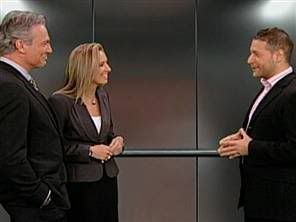
Năm ngoái, giáo sư trường Kinh doanh Harvard Ranjay Gulati thăm một bộ phận marketing của một tập đoàn lớn của Mỹ và đặt ra một câu hỏi tưởng chừng như rất đơn giản: Người tiếp thị thực sự làm những gì?

Năm ngoái, giáo sư trường Kinh doanh Harvard Ranjay Gulati thăm một bộ phận marketing của một tập đoàn lớn của Mỹ và đặt ra một câu hỏi tưởng chừng như rất đơn giản: Người tiếp thị thực sự làm những gì?
Thứ Hai, 21 tháng 3, 2011
Quản lý chuỗi cung ứng- Đúc kết 07 nguyên tắc
............
Quản lý ngày càng thấy mình trong vai trò cửa giữa điều phối gắn kết nhu cầu của khách hàng và nhu cầu của công ty cho sự tăng trưởng và lợi nhuận. Trong thực tế, nhiều người đã phát hiện ra rằng họ có thể giữ cho sợi dây liên lạc này đủ mạnh để giúp đạt tăng trưởng và lợi nhuận bằng cách xử lý việc quản lý chuỗi cung ứng như là một biến chiến lược.
Thứ Năm, 3 tháng 3, 2011
Quản lý tài năng như là một kỹ năng sống còn
Quản lý tài năng có thể xây nên hay phá vỡ một công ty. Điều này được xem là đặc biệt đúng trong thời suy thoái kinh tế gần đây, khi quản lý tài năng nổi lên như vai trò một công việc hoặc một bộ phận mà các công ty không thể quay lại để cắt giảm chi phí có quy mô, bởi vì làm như vậy có thể dẫn đến thảm họa của quá trình chiến lược cần-phải-làm.


Đăng ký:
Bài đăng (Atom)